
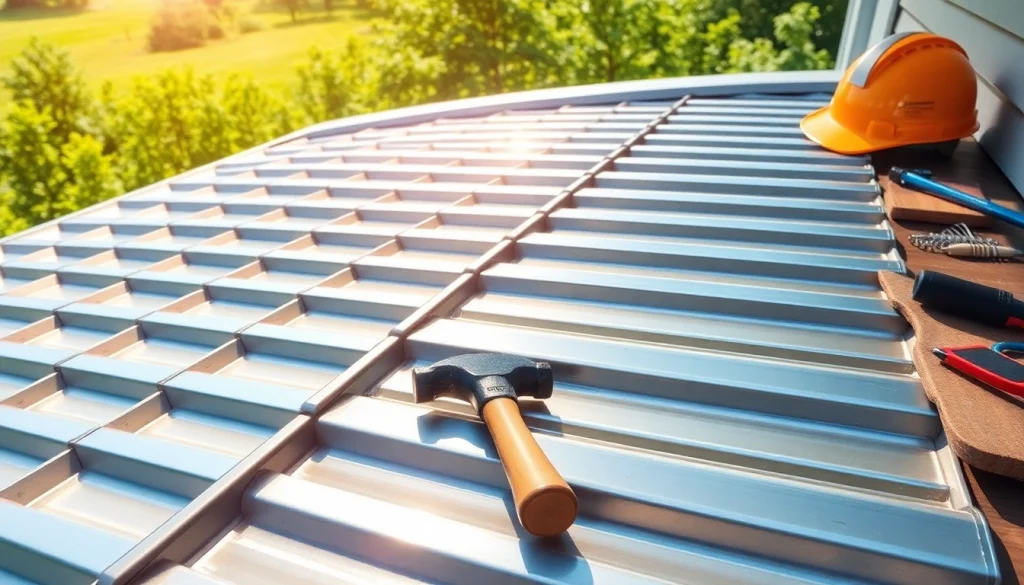
What is Metal Roofing?
Definition and Overview
Metal roofing refers to roofing systems made from metal materials, which offer a durable and reliable alternative to traditional roofing materials like asphalt shingles. These roofing systems can be constructed from various metals, including steel, aluminum, copper, and zinc. Metal roofing is gaining popularity due to its longevity, low maintenance, and aesthetic appeal, making it an ideal choice for both residential and commercial properties. Metal roofing not only enhances the architectural beauty of a structure but also provides effective weather protection and energy efficiency.
Benefits of Metal Roofing
Metal roofing offers a range of benefits that contribute to its rising popularity among homeowners and builders alike. Key advantages include:
- Durability: Metal roofs can last up to 50 years or more, outperforming traditional materials. They can withstand harsh weather conditions, including heavy snow, hail, and high winds.
- Low Maintenance: Unlike asphalt shingles that may require frequent repair or replacement, metal roofs require minimal maintenance, usually needing only periodic inspections and cleaning.
- Energy Efficiency: Metal roofing reflects solar radiant heat, potentially reducing cooling costs by up to 25% in warm climates.
- Environmentally Friendly: Metal roofing is often made from recycled materials and can be fully recycled at the end of its lifespan.
Common Materials Used in Metal Roofing
Several types of metals are commonly used in roofing applications, each with its own unique properties:
- Steel: The most popular choice, available in galvanized or Galvalume coatings for added protection against rust.
- Aluminum: Lightweight and corrosion-resistant, ideal for coastal areas where saltwater exposure can damage other metals.
- Copper: Known for its longevity and unique patina that develops over time, copper roofing adds a distinctive aesthetic appeal.
- Zinc: Offers excellent durability and self-healing properties, which can result in a longer roof lifespan when properly installed.
Advantages of Metal Roofing
Longevity and Durability
One of the overwhelming advantages of metal roofing is its incredible longevity. A properly installed metal roof can last upwards of 50 years, often accompanied by warranties that guarantee long-term performance. This resilience is attributed to the metal’s ability to resist cracking, warping, and deterioration, which are common issues found in traditional roofing materials. Notably, metal roofs do not suffer from the same age-related fading or discoloration, maintaining their visual appeal over decades.
Energy Efficiency and Savings
Metal roofs contribute to energy efficiency through reflective properties that help reduce heat absorption. By reflecting solar radiation, metal roofing can keep building temperatures lower during warmer months, thus decreasing reliance on air conditioning systems. Studies have shown that homes with metal roofs experience significant savings on energy bills, typically recouping initial installation costs over time.
Eco-Friendliness of Metal Roofing
In an era increasingly focused on sustainability, metal roofing stands out as an eco-friendly option. Many metal roofs are manufactured from recycled materials, and at the end of their life cycle, they can be fully recycled, reducing landfill waste. Moreover, the energy savings achieved through metal roofing also contribute to lower carbon footprints, aligning with environmental protection goals.
Choosing the Right Metal Roofing for Your Home
Factors to Consider
Selecting the appropriate metal roofing involves several considerations. Firstly, assess your budget, as costs can vary significantly based on material choice and roof complexity. Next, consider the climate conditions; for example, aluminum is ideal for coastal regions due to its corrosion resistance. Additionally, your home’s architectural style should influence the material and color choices to ensure an aesthetically pleasing outcome.
Style Options Available
Metal roofing is not only functional but also visually appealing, available in various styles that can suit different aesthetics:
- Standing Seam: Features raised seams that interlock for a sleek, modern look.
- Metal Shingles: Mimics the look of traditional roofing materials, such as wood shakes or slate.
- Corrugated Panels: Known for their wavy pattern, offering a more industrial appearance.
- Tile Effects: Provides an ornamental style that resembles traditional clay tiles but retains the benefits of metal.
Cost Considerations
The cost of metal roofing varies based on the chosen material, installation complexity, and local labor rates. On average, homeowners can expect to pay more upfront for metal roofing compared to traditional materials like asphalt shingles; however, the long-term savings in maintenance and energy costs often justify this investment. It is crucial to obtain multiple estimates from qualified contractors to ensure competitive pricing and quality work.
Installation Process of Metal Roofing
Preparation Steps
Before installing metal roofing, preparation is essential to ensure effective application and optimal performance. This includes inspecting the existing structure for damage, removing old roofing materials if necessary, and ensuring the roof deck is sound. Adequate underlayment should also be placed to provide an additional moisture barrier, ensuring longevity and performance.
Professional vs. DIY Installation
While some homeowners may consider a DIY approach, professional installation is highly recommended for metal roofing due to the technical aspects involved, including precise measurements and secure fastening techniques. The accuracy of installation affects both durability and warranty coverage. Professional contractors possess specialized tools and experience to ensure the installation meets industry standards, thereby securing the roof’s performance.
Safety Measures During Installation
Installing a metal roof entails specific safety measures to protect workers from potential hazards. Wearing appropriate personal protective equipment (PPE) such as helmets, slip-resistant footwear, and harnesses if working at height is crucial. Safety rails and ladders should also be used properly. Moreover, it’s vital to check weather conditions to prevent accidents related to high winds or wet surfaces during installation.
Maintenance and Care for Metal Roofing
Routine Inspections
Even though metal roofing is low-maintenance, periodic inspections are necessary to extend its life. Homeowners should inspect the roof at least twice a year, looking for any loose panels, rust spots, or debris accumulation. Addressing minor issues promptly can prevent more extensive damage down the line.
Cleaning Techniques
Regular cleaning helps maintain the appearance and performance of metal roofing. A simple wash with a gentle detergent solution and a soft-bristle brush can remove dirt and debris without scratching the surface. For homes in coastal areas, consider cleaning more frequently to mitigate saltwater corrosion. Always rinse thoroughly to avoid detergent residues.
What to Do in Case of Damage
In the event of damage, such as dents or punctures, it is advisable to engage a professional for repairs. While minor scratches can be touched up with paint, any significant damage requires careful assessment to prevent issues like water infiltration. Additionally, inspecting the surrounding materials, such as flashings and gutters, ensures the overall integrity of the roof system is maintained.
Frequently Asked Questions (FAQs)
1. How long does metal roofing last?
Metal roofing can last 50 years or more, depending on the material and installation quality.
2. Is metal roofing noisy during rain?
With proper insulation and underlayment, metal roofing is generally not noisy during rain, especially compared to traditional roofs.
3. Can metal roofing be installed over existing shingles?
Yes, metal roofing can be installed over existing shingles, provided the underlying structure is sound.
4. Does metal roofing require special maintenance?
Metal roofing requires minimal maintenance, primarily routine inspections and occasional cleaning.
5. Is metal roofing energy efficient?
Yes, metal roofing reflects solar heat, contributing to lower energy bills and increased comfort in homes.