
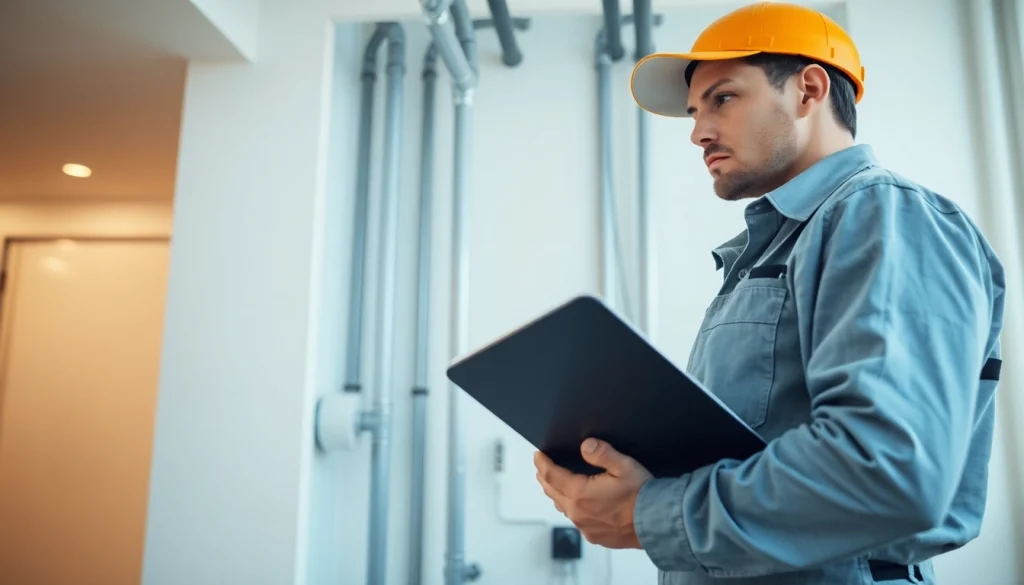
Understanding Whole House Repiping Services Tampa
What is Whole House Repiping?
Whole house repiping involves replacing the existing plumbing pipes in your home with new ones. This process is vital for addressing significant plumbing issues like leaks, corrosion, and impaired water flow that often arise in older homes. When opting for whole house repiping services Tampa, you ensure an updated and reliable plumbing system that can better meet your household needs.
Signs You Need Repiping Services
Recognizing the need for repiping can sometimes be challenging. However, specific signs can indicate that it may be time to consider this essential service:
- Frequent Leaks: If you find yourself repeatedly fixing leaks, it signals your pipes may be failing.
- Low Water Pressure: Diminished water pressure can stem from blockages or corroded pipes.
- Discolored Water: Rusty or discolored water suggests corrosion within your plumbing system.
- Unusual Sounds: Piping that makes banging or clanging noises could indicate air trapped in the lines or pipe deterioration.
- High Water Bills: A sudden rise in your water bill may indicate leaks or inefficiencies in your plumbing.
Benefits of Professional Repiping
Engaging a professional for whole house repiping offers numerous advantages. Some of these benefits include:
- Improved Water Quality: New pipes can enhance water quality by eliminating rust and contaminants.
- Enhanced Water Pressure: Replacing aging pipes can restore optimal water pressure throughout the home.
- Increased Home Value: New plumbing adds significant value to your home and can attract potential buyers.
- Reduced Risk of Water Damage: By addressing existing issues, you minimize the risk of water damage that old pipes may cause.
- Energy Efficiency: New pipes can improve the efficiency of your plumbing system, potentially lowering energy costs.
Choosing the Right Repiping Materials
Comparing Copper vs. PEX Pipes
When repiping, selecting the appropriate material is crucial. Copper pipes have long been the standard due to durability and resistance to corrosion. However, PEX (cross-linked polyethylene) has gained popularity for its flexibility, ease of installation, and lower cost. PEX is less prone to rupture in extreme temperatures, making it suitable for varying climates. The choice largely depends on your home’s specific needs, budget, and personal preference.
Durability and Lifespan of Materials
Copper pipes typically boast a lifespan of 50 to 70 years, whereas PEX pipes can last 25 to 40 years. Factors like water quality, installation techniques, and environmental conditions can also affect durability. Consulting with a professional plumber can provide guidance tailored to your home’s specifics.
Environmentally Friendly Options
Today’s homeowners are increasingly concerned about their environmental impact. PEX pipes, for example, are recyclable and often made from fewer resources than copper. Furthermore, because PEX is often installed without joints, the risk of leaks diminishes, contributing to water conservation. Assessing the environmental footprint of your materials can lead to a more sustainable plumbing solution.
The Repiping Process Explained
Initial Inspection and Assessment
The first step in repiping is a thorough inspection of your current plumbing system. An experienced plumber will assess the condition of your pipes, noting signs of deterioration or failure. This assessment will help determine your home’s specific needs and identify the most efficient and effective repiping solutions. Homeowners should inquire about potential issues found during the assessment.
Step-by-Step Repiping Procedure
Once the assessment is complete, the repiping procedure typically follows a systematic approach:
- Turn Off Water Supply: Water must be turned off to prevent flooding during the process.
- Remove Old Pipes: The old plumbing system is carefully dismantled to prepare for new installations.
- Install New Pipes: The selected material is installed throughout the home using proper techniques to ensure efficiency.
- Make Connections: Connect new pipes to your fixtures, ensuring a complete and functional plumbing system.
- Test System: Water is turned back on to test the new installation for leaks or issues before final finishing touches are made.
Post-Installation Testing and Assurance
After the repiping process, it’s vital to conduct thorough tests to confirm that everything operates correctly. This phase may involve checking for leaks, verifying water pressure, and ensuring there are no obstructions in the system. A professional will provide a checklist and address any concerns you may have before finalizing the project.
Cost Considerations for Whole House Repiping Services Tampa
Factors Influencing Repiping Costs
The cost of repiping can vary widely based on several factors, including:
- Square Footage: Larger homes typically incur higher costs due to the increased labor and materials required.
- Pipe Material: The choice between copper and PEX affects overall expenses, with PEX generally being more economical.
- Access to Plumbing: Difficult-to-reach pipes may require specialized labor, increasing costs.
- Local Labor Rates: Prices vary depending on your region and the current demand for plumbing services.
Budgeting for the Project
Thorough budgeting is essential for anyone considering repiping. Homeowners should gather multiple estimates to understand the potential financial commitment. Keep in mind additional expenses beyond materials and labor, such as permits or potential repairs to drywall and flooring affected by the installation.
Understanding Warranty and Guarantees
Most reputable plumbing companies offer warranties on both materials and workmanship. A thorough understanding of what is included in these guarantees can provide peace of mind and financial protection for unexpected issues. Always ask for details regarding warranties before beginning work.
FAQs about Whole House Repiping Services Tampa
How long does the repiping process take?
The duration can vary based on the home’s size and complexity but generally takes 1 to 5 days to complete. An initial assessment will provide a more accurate timeline.
Can I stay in my home during repiping?
In most cases, you can stay home during the project, but some areas of your home may be inaccessible while the work is being done. Discuss logistics with your plumber.
Will my water supply be interrupted?
Yes, there will likely be interruptions in water supply during the repiping process. Your plumbing professional will inform you of specific durations.
How can I maintain my new pipes?
Maintaining new pipes requires regular inspections and addressing leaks or clogs promptly. Ensure you know what type of pipes are installed to tailor maintenance routines effectively.
Is repiping a good investment for older homes?
Absolutely! Repiping enhances your home’s value, improves water quality, and reduces the risk of plumbing failures, making it a smart long-term investment.