
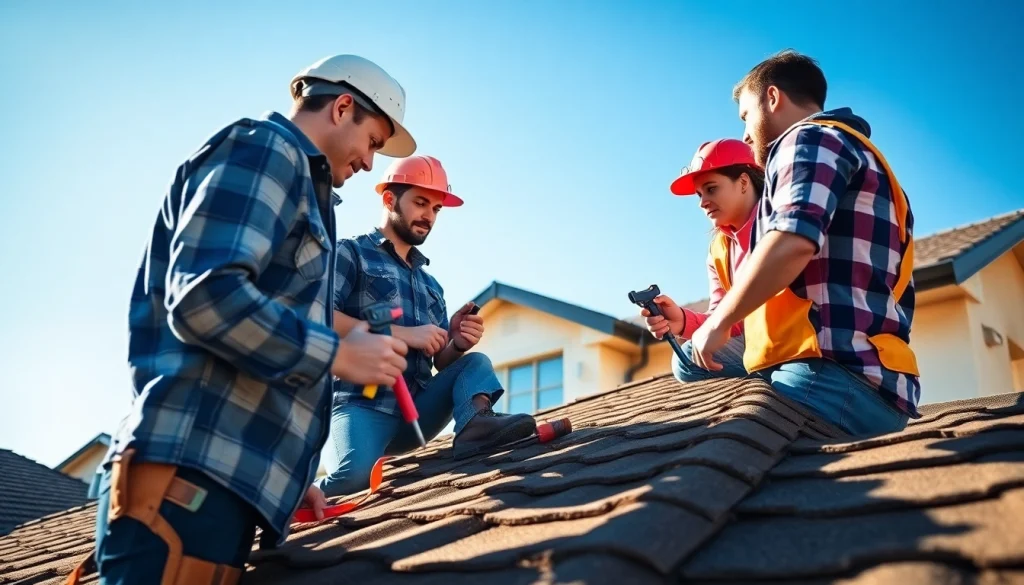
Understanding the Role of a Roofing Company
When it comes to maintaining your home or commercial property, the role of a Roofing company is paramount. The roofing system functions as the primary barrier against elements, protecting your investment and ensuring safety. It plays a crucial role not just in structural integrity but also in aesthetic appeal and energy efficiency. Let’s explore the important aspects of what a roofing company does and how it contributes to the longevity of your roof.
What Services Does a Roofing Company Provide?
A roofing company offers a wide range of services that can cater to both residential and commercial needs. These services typically include:
- Roof Installation: New roofs are installed using various materials and techniques that suit the homeowner’s needs and preferences.
- Roof Repair: Addressing leaks, missing shingles, and other issues that may compromise roof integrity.
- Roof Maintenance: Regular inspections and maintenance help to prevent major issues down the line.
- Roof Replacement: Complete removal and replacement of old roofing systems when repairs are no longer viable.
- Emergency Services: Quick response to significant storm damage or leaks to prevent further complications.
- Consultation and Evaluation: Offering expert advice on roofing options suited to a particular structure.
Importance of Professional Roof Installation
Professional roof installation is crucial as it lays the foundation for your roof’s performance. Improper installation can lead to numerous issues down the line, including leaks and reduced lifespan. A reputable roofing company ensures that all installations comply with local regulations, utilize high-quality materials, and adopt best practices, thus giving homeowners peace of mind.
Regulations and Certifications for Roofing Companies
Roofing companies must abide by industry regulations and obtain various certifications to operate legally. This includes adhering to safety standards, building codes, and environmental regulations. Certifications from recognized organizations can also signify a company’s commitment to excellence and staying updated with current practices. Homeowners are encouraged to verify these credentials as part of the selection process.
Choosing the Right Roofing Company
Finding the right roofing company can be overwhelming, given the number of options available. However, focusing on a few critical factors can significantly streamline your decision-making process.
Key Factors to Consider When Hiring
Several factors should be considered when selecting a roofing company:
- Experience: Look for companies that have been in business for several years, demonstrating stability and customer satisfaction.
- Licensing and Insurance: Ensure the company holds the required licenses and carries adequate insurance to protect against liabilities.
- Reputation: Investigate their reputation through online reviews, referrals, and testimonials from past clients.
- Warranty: Understand the warranties offered on the roof installation or repairs, as this reflects the company’s confidence in their work.
Evaluating Customer Reviews and Testimonials
Customer reviews and testimonials can provide valuable insights into the quality of services provided by a roofing company. Look for patterns in the feedback, focusing on aspects like communication, timeliness, and workmanship. Websites, social media, and community forums can serve as great resources for gathering this information. Remember to consider the overall sentiment rather than isolated complaints.
Understanding Roofing Company Estimates
When soliciting estimates from potential roofing companies, ensure that you receive detailed quotes that outline all costs, timelines, and scope of work. A reliable estimate should break down materials, labor, and potential additional costs, allowing you to compare services effectively. Be wary of unusually low bids, which may indicate compromised quality or services. Always seek clarifications on unclear items to avoid any surprises later.
Common Roofing Materials Offered by a Roofing Company
The type of roofing material you select is essential for creating a durable and efficient roof. Understanding the different options available can empower you to make informed decisions that suit your home’s requirements.
Types of Roofing Materials Explained
Here’s an overview of some of the most common roofing materials offered:
- Asphalt Shingles: The most popular choice for their affordability and ease of installation.
- Metal Roofing: Known for durability and energy efficiency; available in various styles.
- Clay Tiles: A traditional choice offering longevity and aesthetic value, particularly in warmer climates.
- Slate: A premium, natural material renowned for its longevity and beauty, often used in historic homes.
- Wood Shakes: Offers aesthetic appeal and insulation but requires regular maintenance.
Benefits of Each Roofing Material Type
Each material comes with its unique set of advantages:
- Asphalt Shingles: Cost-effective, versatile, and available in many colors.
- Metal Roofing: Reflects heat, leading to energy savings while being resistant to extreme weather.
- Clay Tiles: Excellent longevity and thermal performance; a sustainable choice as they are recyclable.
- Slate: Offers superior durability and enhances property value.
- Wood Shakes: Provides natural insulation while creating a unique aesthetic charm.
How to Choose the Right Material for Your Home
Selecting the appropriate roofing material entails considering various factors, including climate, aesthetic preferences, and budget constraints. Consult with professionals from your roofing company for guidance tailored to your specific needs. They can provide insights into the best materials that align with your home’s architecture and protects against local weather conditions.
Maintenance Insights from Your Roofing Company
Regular maintenance is vital to extend the life of your roof and prevent costly repairs. Your roofing company can offer expert advice and services to help ensure your roof remains in optimal condition.
Basic Maintenance Tips for Roof Longevity
To maintain your roof’s integrity, consider these tips:
- Regularly inspect for debris accumulation, signs of wear, or damage.
- Maintain gutters to prevent water backup which can lead to leaks.
- Trim surrounding trees to prevent branches from scraping against the roof.
- Ensure proper ventilation to avoid moisture build-up in the attic.
Signs That Your Roof Needs Repairs
Being aware of the signs that indicate your roof may need repairs can save you from expensive replacements:
- Missing or damaged shingles.
- Water stains on ceilings or walls.
- Visible sagging spots on the roof.
- Growth of mold or mildew.
- Accumulation of granules in gutter systems.
The Value of Regular Professional Inspections
Regular professional inspections are key to catching issues before they escalate. Experts will conduct thorough assessments, identifying potential hazards and recommending timely repairs. This proactive approach can mitigate repair costs and enhance the lifespan of your roofing system.
FAQs Related to Roofing Company Services
What Should I Expect During a Roof Inspection?
During a roof inspection, a professional will examine the roof’s surface for damage, assess structural integrity, and check for adequate drainage. They’ll typically provide a detailed report on findings and necessary actions.
How Often Should I Have My Roof Inspected?
It’s advisable to have a roof inspection at least once a year, especially after severe weather. This process identifies wear and tear and ensures longevity and safety.
What Are the Signs of Roof Damage?
Signs of roof damage include sagging, leaks, cracked or curling shingles, mold growth, and excessive granules in gutters. Address these issues promptly to prevent further damage.
How Long Will a New Roof Last?
The lifespan of a new roof varies by material; asphalt shingles last around 20-30 years, while metal roofs can last 40-70 years or more with proper maintenance.
What Factors Affect the Cost of Roofing Services?
Factors influencing roofing service costs include roof size, material choice, complexity of the job, location, and urgency of the project. Always request detailed estimates for clarity.