
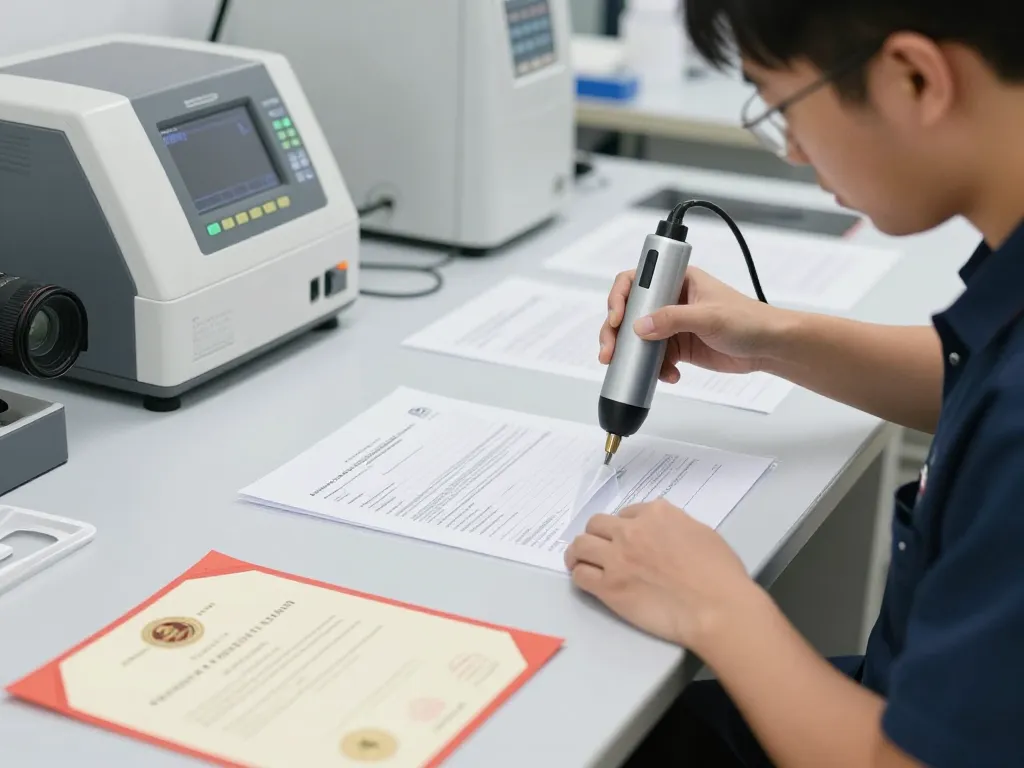
Understanding the Need for Bóc Ép Plastic Hà Nội
In today’s digital age, the preservation of documents has become more critical than ever. Many individuals and businesses have turned to plastic lamination as a protective measure against wear and tear. However, as time passes, the necessity to unseal these laminated documents often arises, leading to questions about the best methods for doing so without damaging the original materials. When exploring options, bóc ép plastic hà nội provides comprehensive insights into the latest techniques and innovations to safely restore your important documents.
Why Do You Need to Unseal Plastic-Laminated Documents?
The act of laminating documents can extend their longevity by protecting them from moisture, dirt, and physical damage. However, many people find themselves in situations where they need to access the original document, whether for legal, sentimental, or practical reasons. Unsealing a laminated document can be necessary for the following reasons:
- To make necessary edits or updates to the content.
- To archive or store documents in a more accessible format.
- To recover a document that has been rendered illegible due to fading or damage.
Common Issues with Laminated Paperwork
Despite the protective benefits of lamination, several issues may occur that necessitate unsealing:
- Adhesive Residue: Over time, the adhesives used in lamination can break down, leaving behind sticky residues or causing paper to stick to the laminated surface.
- Curling Edges: Laminated documents may develop curling edges, making them difficult to store or display.
- Legibility: The lamination process can sometimes diminish the clarity of printed text, especially when lower-quality materials are used.
How Bóc Ép Plastic Hà Nội Can Help Preserve Your Documents
The process of bóc ép plastic hà nội offers tailored solutions for individuals and businesses seeking to recover their documents. With advanced techniques and experienced professionals, companies like GT8 specialize in restoring documents to their original condition. Their services not only aim to unseal documents carefully but also to preserve the integrity and appearance of the original materials.
Methods of Bóc Ép Plastic: Which is Best?
There are various methods available for unsealing laminated documents, each with its advantages and disadvantages. Understanding these methods can help individuals decide which option best suits their needs.
Temperature-Based Techniques: Pros and Cons
Temperature-based methods often involve using heat sources such as hair dryers or irons to soften the adhesive used in the lamination process. While this technique can be effective in some cases, it carries risks:
- Risk of Damage: Excessive heat can damage the document itself, leading to issues such as fading, curling, or even burning.
- Inconsistent Results: The effectiveness of this method can vary widely based on the type of adhesive and the quality of the lamination, making it a less reliable option.
- Time-Consuming: Achieving the right temperature for effective unsealing without damaging the document can require patience and practice.
Non-Force Methods: Advantages of Advanced Technology
In contrast, non-force methods utilize advanced technologies to separate the plastic lamination from the paper without relying on excessive heat or physical force. This approach presents several advantages:
- Preservation of Document Integrity: Non-force methods minimize the risk of damage, ensuring that the original document remains intact.
- High Success Rate: These techniques generally offer better outcomes in recovery without leaving behind adhesive residue.
- Expertise Required: Professionals trained in these advanced methods can provide assurance and guarantee successful recovery for various types of documents.
Comparative Analysis of Different Bóc Ép Techniques
While temperature-based techniques may be more common among DIY enthusiasts, non-force methods represent the future of document recovery. The reliability, safety, and effectiveness of advanced techniques make them the recommended choice for valuable and irreplaceable documents.
Best Practices for Document Preservation
To maximize the lifespan of your documents and ensure successful recovery, there are several best practices to follow:
How to Avoid Damage When Bóc Ép Plastic Hà Nội
When approaching the unsealing process, consider the following tips to avoid unnecessary damage:
- Evaluate the condition of the document: Prioritize professional unsealing services for fragile or highly valuable documents.
- Research service providers: Look for businesses with proven experience in bóc ép plastic hà nội that specialize in non-force methods to ensure the best results.
- Keep the original environment in mind: Avoid conducting unsealing procedures in humid or excessively warm conditions to prevent further damage to the document.
Tips for Storing Documents Before and After Unsealing
Proper storage practices can contribute significantly to document preservation. Here are some essential storage tips:
- Use Archival Quality Materials: When storing documents, choose archival quality folders or boxes that protect against light and moisture.
- Maintain a Stable Environment: Store documents in areas with controlled temperature and humidity to mitigate the risk of deterioration.
- Limit Handling: Handle documents minimally to prevent wear and tear; consider using gloves for added protection.
Understanding the Materials: Polyethylene and Their Effects
Understanding the types of materials used in lamination can aid in preserving documents. Polyethylene, commonly used in laminating sheets, can sometimes react adversely over time, leading to issues such as yellowing or deterioration:
- Polyethylene is sensitive to heat, which can lead to warping and changes in adhesion properties.
- Some grades of polyethylene can release substances that may interact negatively with certain types of inks.
Case Studies: Successful Document Recovery
Real-life examples can give insight into the efficacy of different unsealing methods. Here are some remarkable success stories from clients who have utilized GT8’s services:
Real-Life Examples of Bóc Ép Plastic Success Stories
Clients have shared numerous success stories where their documents were unharmed during the unsealing process. One notable case involved a historical certificate that had been laminated for decades:
- Through non-force techniques, the document was successfully recovered with all text and images intact, much to the client’s delight.
- Similarly, an artist was able to recover a carefully crafted work of art that had been sealed in plastic, preserving the original colors and details.
Techniques That Saved Important Documents for Customers
In another instance, a legal firm had multiple contracts that needed to be unsealed. By employing non-force training methods, GT8 ensured that all critical information was retained:
- The documents underwent the unsealing process without any adhesive residue or damage to the original content, allowing for seamless access to critical information.
Feedback and Testimonials from Satisfied Clients
Client testimonials highlight the quality of services offered. Many have praised the efficiency and professionalism exhibited by the team during the document recovery process, emphasizing the importance of choosing qualified providers for sensitive projects.
Future Trends in Bóc Ép Plastic Hà Nội Services
The evolution of document preservation techniques is ongoing. Innovations in technology are expected to lead to improved methods for unsealing laminated documents while minimizing damage and preserving integrity.
Innovations in Document Preservation Technologies
Future advancements may include:
- Smart Technologies: Integration of smart technologies to monitor the condition of documents and provide real-time alerts for preservation needs.
- Advanced Materials: Development of new lamination materials that are easier to remove and more environmentally friendly.
What to Expect in 2026 and Beyond
As the demand for document preservation continues to grow, businesses are likely to adopt more automated systems that enhance service efficiency while ensuring reliability, paving the way for a new era of document management.
Preparing for Future Document Protection Needs
To stay ahead of the curve, individuals and businesses should focus on establishing robust preservation practices now while remaining informed about emerging trends and technologies in the industry.