
Understanding Colonial Addition Concepts
An Overview of Colonial Architecture
Colonial architecture reflects the rich cultural heritage influenced by various colonization periods, particularly in America. This style encompasses a variety of patterns, materials, and influences varying from local adaptations to European designs. Originally emerging during the late 1600s to the early 1800s, it is recognizable by its symmetrical designs, notable doorways, and decorative elements. The architectural forms were often adaptations to climate and local conditions, creating a unique blend of function and style. A colonial addition can enhance your home while preserving its historical integrity, making it essential to understand its foundational characteristics.
Key Features of Colonial Additions
Colonial additions typically exhibit features that are consistent with the original architecture. These may include:
- Symmetry: Traditional colonial homes often showcase perfectly balanced facades. An addition should mirror this for cohesive aesthetics.
- Pitched Roofs: Including gable or hipped roofs echoes the original construction style.
- Colonial Doors and Windows: Incorporating multi-paned windows and prominent front doors can enhance authenticity.
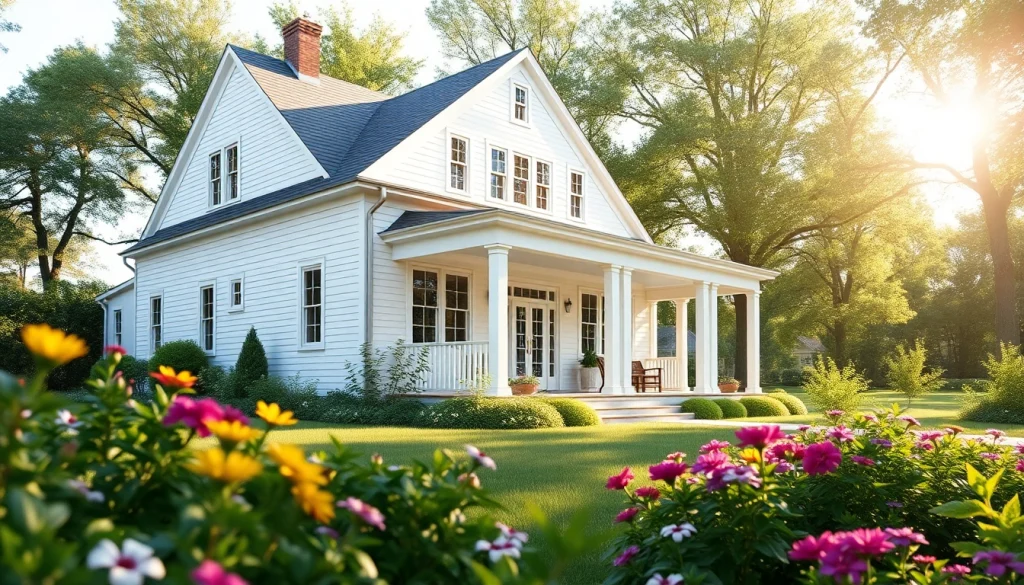
- Porches: Elegant porches with columns are classic to colonial structures and can be an inviting feature for additions.
Benefits of Adding a Colonial Style
Incorporating a colonial addition into your home comes with several advantages, such as:
- Aesthetic Appeal: The classic beauty of colonial architecture enhances the visual harmony of the home.
- Increased Value: Colonial-style homes often attract buyers, boosting property marketability.
- Functional Spaces: Additions create valuable extra living areas tailored to your needs, be it for family gatherings or a dedicated workspace.
- Preservation of Heritage: A well-planned colonial addition preserves the historical significance of the property.
Planning Your Colonial Addition
Assessing Space and Layout
Before embarking on your colonial addition project, thorough planning is essential. Assess your existing space to identify how an addition can integrate seamlessly. Engage with experts to discuss layouts that optimize flow while maintaining historical accuracy. Consider aspects such as:
- Existing architectural features and how they will dictate new design elements.
- Room functions and needed space allocation to ensure the addition meets your lifestyle.
- Natural light access, and how window placements can maximize this benefit.
Understanding Zoning Regulations
Every locality has zoning regulations that impact home additions. Familiarize yourself with local laws to avoid potential compliance issues. Essential steps include:
- Reviewing property lines to determine how much space is permissible for an addition.
- Investigating historical preservation guidelines if your property is within a designated zone.
- Securing necessary permits before construction begins.
Budgeting for Your Project
Creating a detailed budget assists in navigating the financial aspects of your colonial addition project. Key components to consider include:
- Construction Costs: Factor in materials, labor, and design fees.
- Contingency Funds: Set aside additional funds for unexpected expenses common in renovation projects.
- Long-Term Maintenance: Consider future upkeep costs, particularly for historical elements that may require special materials or expertise.
Designing Your Colonial Addition
Selecting Architectural Elements
Choosing the right architectural elements can enhance the overall aesthetic and maintain the integrity of the colonial style. When designing, prioritize:
- Dramatic Entryways: Reproducing signature colonial door styles enhances curb appeal.
- Window Placement: Multi-paned sashes and consistent window sizes affirm the original design.
- Roof Types: Incorporating historically accurate roofing materials is pivotal to sustain architectural originality.
Color Schemes and Materials
Historic colonial homes often feature weathered color palettes. Common choices include pastels or muted neutrals. When selecting materials, consider:
- Natural Materials: Options like cedar shakes or brick that are environmentally friendly and restore the existing style.
- Paint Finishes: Selecting the right paint can honor the traditional colonial appearance while providing modern durability.
- Accent Details: Integrate period-appropriate decorative trims and siding that resonate with the original structure.
Incorporating Landscaping
Landscaping is integral to complete your colonial addition’s design. Ideas for enhancing your outdoor space include:
- Formal Gardens: Creating symmetrical layouts with native flowering plants adds historical charm.
- Pathways: Utilize traditional materials like cobblestones or red bricks to link the addition to the original house.
- Old-World Features: Consider elements such as wrought-iron fences or vintage benches to accentuate colonial aesthetics.
Sustainability in Colonial Additions
Energy-Efficient Options
As conservation becomes increasingly important, energy-efficient upgrades can complement a colonial addition. Options to explore include:
- Quality Insulation: Enhance your addition’s energy efficiency by using materials that provide superior thermal performance.
- Efficient Windows: Replace existing windows with modern, energy-efficient models that retain the colonial style while improving insulation.
- Heating and Cooling Systems: Consider energy-efficient HVAC systems that provide comfort while minimizing energy consumption.
Eco-Friendly Building Materials
Using eco-friendly materials during construction can significantly reduce your carbon footprint. Consider:
- Reclaimed Wood: Ideal for maintaining an authentic colonial look while being environmentally responsible.
- Sustainable Sourcing: Opt for materials sourced from renewable resources, ensuring minimal impact on ecosystems.
- Low VOC Paint: Using paints with lower volatile organic compounds contributes to better indoor air quality and sustainability.
Long-Term Environmental Impact
The long-term impact of a colonial addition can be assessed through durability, maintenance, and energy use. Key considerations include:
- Durable Materials: Investing in quality materials reduces the need for frequent replacements and repairs.
- Energy Efficiency Ratings: Buildings that adhere to modern standards reduce their environmental sustainability footprint.
- Adaptive Reuse: Consideration for existing structures and incorporating them into your design minimizes waste and promotes preservation.
Maintenance and Upkeep
Preserving Architectural Integrity
Ensuring that your colonial addition retains architectural integrity requires consistent maintenance. Essential practices include:
- Regular Inspections: Schedule professional assessments of the addition to identify and address wear and tear early.
- Respect Original Materials: Whenever possible, use traditional materials to repair or replace elements.
- Weatherproofing: Protecting the addition from weather elements contributes significantly to long-term durability.
Regular Maintenance Tips
Implementing a consistent maintenance schedule is vital to prolonging the life of your colonial addition. Recommended practices include:
- Routine Cleaning: Regularly clean gutters and downspouts to prevent water damage.
- Paint and Touch-Ups: Repaint regularly with appropriate sealants and finishes to protect surfaces from the elements.
- Landscaping Upkeep: Maintain gardens and outdoor spaces, ensuring they enhance the property’s visual appeal.
Signs of Wear and Tear to Watch For
Recognizing early signs of damage can prevent more severe issues down the road. Key indicators include:
- Cracks in Walls: Monitor for expanding cracks that can indicate settling or structural issues.
- Water Damage: Be vigilant for signs of water stains or mold that point to leaks in the roof or siding.
- Peeling Paint: Fading or peeling paint is a sign that surfaces need attention to protect underlying materials.
Frequently Asked Questions
What is a colonial addition?
A colonial addition is a structural extension to a home designed to match the classic colonial architectural style, enhancing functionality while preserving aesthetic value.
How do I maintain my colonial addition?
Regular inspections, maintenance of landscaping, and timely repairs of any wear and tear are essential to keeping your colonial addition in good condition.
What materials are best for colonial additions?
Utilize traditional colonial materials such as wood, brick, and natural finishes that maintain historical integrity while being durable and energy-efficient.
Do I need a permit for a colonial addition?
Yes, most locations require permits for home additions. Check local zoning regulations and obtain the necessary approvals before commencing construction.
Can I add modern features to a colonial addition?
While modern features can enhance functionality, they should be integrated thoughtfully to preserve the classic elements and historical aesthetic of the original architecture.