
- Understanding the Wellesley Tudor Expansion Concept
- Planning Your Wellesley Tudor Expansion Project
- Design Elements for a Successful Wellesley Tudor Expansion
- Regulatory Considerations for the Wellesley Tudor Expansion
- Finalizing and Enjoying Your Wellesley Tudor Expansion
- Frequently Asked Questions
Understanding the Wellesley Tudor Expansion Concept
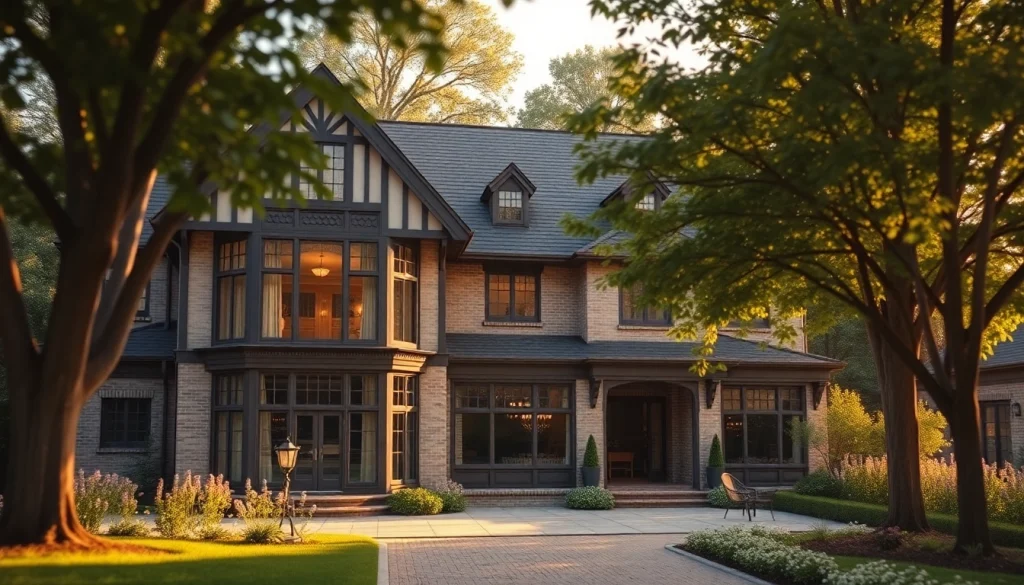
The Wellesley Tudor Expansion represents a confluence of traditional charm and contemporary upgrades that enhance the living experience of homeowners. This architectural adaptation gives life to classic styles while addressing modern needs through thoughtful design. Understanding this concept is essential for anyone considering expanding their Tudor-style home.
Defining Tudor Architecture
Tudor architecture, a nostalgic nod to the late medieval era of England, is characterized by steeply pitched roofs, ornate chimneys, and decorative half-timbering on exterior walls. Replete with brick and stone elements, these homes exude a cozy yet stately air. The Tudor style aims to blend aesthetic elegance with practical living, making it highly desirable even in contemporary settings. Understanding the elements that define this architectural style is pivotal when planning an expansion that stays true to its roots.
Key Features of Wellesley Tudor Expansion
The Wellesley Tudor Expansion incorporates several key features that maintain the traditional essence of Tudor architecture while adding modern conveniences. Some of these elements include:
- Natural Light: Large, multipane windows enhance indoor brightness while preserving the historical look.
- Open Floor Plans: Traditional layouts are navigated for a more open feel, ideal for modern family dynamics.
- Modern Amenities: Upgraded kitchens and bathrooms equipped with energy-efficient appliances harmonize with classic aesthetics.
- Outdoor Living Spaces: Patios and decks that extend living space outdoors are increasingly popular.
These features not only broaden the property’s functionality but also elevate its visual appeal, making it an attractive option for contemporary homeowners.
Importance of Expanding Traditional Homes
Expanding traditional homes like Tudor-style residences addresses several needs. With changing family dynamics, many homeowners find their living spaces inadequate. Moreover, as lifestyle preferences evolve, the demand for modern comforts rises. This expansion does not just amplify space; it also allows homeowners to retain the character and charm of their properties while making them more livable and functional.
Planning Your Wellesley Tudor Expansion Project
Planning a successful expansion is essential for minimizing the potential for costly mistakes and ensuring a smooth project timeline. Proper planning encompasses several phases, each critical for the overall outcome of the Wellesley Tudor Expansion.
Assessing Your Current Space
Before embarking on any expansion, a comprehensive assessment of your current living space is necessary. This involves evaluating your home’s layout, existing structures, and available yard space. Consider not only what you want to add but also what might need to be removed or reconfigured to ensure that the new space harmonizes with the existing architecture.
Setting a Budget for Expansion
Setting a realistic budget is a cornerstone of any expansion project. Your budget should encompass construction costs, permits, unforeseen expenses, and design fees. Prioritize your needs versus wants to maintain financial control over the project. Factor in potential increases in property taxes and utility bills resulting from the expansion to avoid surprises down the line.
Hiring Professional Help
An expansion project is complex and typically requires skilled professionals. Hiring an architect who understands Tudor architecture can be invaluable. They can help you design an addition that resonates with the traditional style while ensuring modern efficiency. Similarly, secure a reputable contractor with experience in renovations to guarantee that the project is executed with precision and care.
Design Elements for a Successful Wellesley Tudor Expansion
The design phase is where creativity meets practicality. For a successful Wellesley Tudor Expansion, several key design elements should be considered to maintain the integrity of the original structure while introducing modern upgrades.
Incorporating Modern Amenities
Modern amenities should blend seamlessly into the Tudor framework to enhance the home’s functionality. Incorporating energy-efficient appliances and smart home technologies ensures that your new space meets today’s standards without compromising its heritage. Thoughtful placement of modern features, like integrated lighting and climate control, can elevate convenience while preserving aesthetic value.
Balancing Tradition with Innovation
A successful expansion intricately balances traditional architectural elements with modern design principles. Consider using new materials that mimic traditional textures, such as modern board-and-batten siding that resembles authentic timber. Subtle updates to fixtures and hardware can breathe new life into the aesthetic while ensuring the home stays functional. Take inspiration from the original architecture, allowing the new space to flow naturally from the old.
Selecting Quality Materials
The materials selected for any expansion project should reflect the quality and style of Tudor homes. Use bricks or stones that mirror the existing construction for a cohesive look. Additionally, opting for sustainable materials not only benefits the environment but can also improve your home’s energy efficiency. Collaborate with your architect and contractor to source materials that fit your vision while staying within your budget.
Regulatory Considerations for the Wellesley Tudor Expansion
Before breaking ground, familiarize yourself with the local regulations that will impact your expansion project. This includes zoning laws, building codes, and any necessary permits.
Zoning Laws and Permits
Understanding zoning laws in your area will dictate what changes can be made to your property. Your local planning department can provide guidance on restrictions pertaining to expansions, such as height limits, property lines, and usage. Obtaining required permits before starting the project is crucial to avoid fines or mandated alterations later on.
Building Codes and Safety Regulations
Compliance with building codes and safety regulations is non-negotiable during construction. These codes govern how buildings must be constructed regarding structural integrity, safety, and accessibility. Consulting your architect and contractor concerning these requirements ensures that your expansion meets all legal standards while safeguarding your investment.
Consulting Local Authorities
Engaging with local authorities early in your planning process can facilitate smoother execution. Informing them about your expansion plans can provide crucial insights and aid in navigating the complexities of permits and zoning compliance. Regular communication will also help address any concerns that arise, thereby streamlining your project.
Finalizing and Enjoying Your Wellesley Tudor Expansion
Once construction is complete, the focus shifts to enjoying your newly expanded space while ensuring its longevity through maintenance and thoughtful landscaping.
Inspecting the Finished Project
A thorough inspection of the completed project is necessary to ensure quality and compliance with the original design intent. Take time to walk through the extension with your contractor to confirm that every detail aligns with your vision. Look out for any imperfections or missed features and address these promptly to avoid future regrets.
Landscaping Ideas to Complement Your Expansion
Landscaping plays a critical role in enhancing the aesthetic appeal of your expanded Tudor home. Incorporate elements that reflect the charm of Tudor gardens, such as winding paths, climbing roses, and flowering shrubs. Outdoor seating areas can also create inviting spaces to enjoy your garden and accentuate the transition from your home to the outdoor environment.
How to Maintain the Aesthetic Appeal
Maintaining the aesthetic appeal of your expansion is crucial for preserving the overall value of your home. Regular maintenance checks, proper cleaning, and timely repairs will keep both interior and exterior spaces looking pristine. Invest in high-quality finishes that withstand the elements and consider seasonal updates to landscaping to create dynamic visual interest throughout the year.
Frequently Asked Questions
What is Tudor architecture?
Tudor architecture is a style popular from the late medieval period, characterized by steep roofs, half-timbering, and decorative brickwork.
How can I assess my current space for expansion?
Evaluate the existing layout, identifying areas for improvement or removal to ensure a seamless integration of the new space.
What amenities are ideal for modern Tudor expansions?
Energy-efficient appliances, smart home systems, and open floor plans are excellent for enhancing the functionality of Tudor expansions.
Why is it essential to follow zoning laws?
Zoning laws dictate what can be built and ensure safety, preventing conflicts with neighbors and compliance issues later on.
How can I keep my Tudor expansion looking authentic?
Use materials that match the original structure and incorporate traditional design elements while allowing for modern upgrades.