
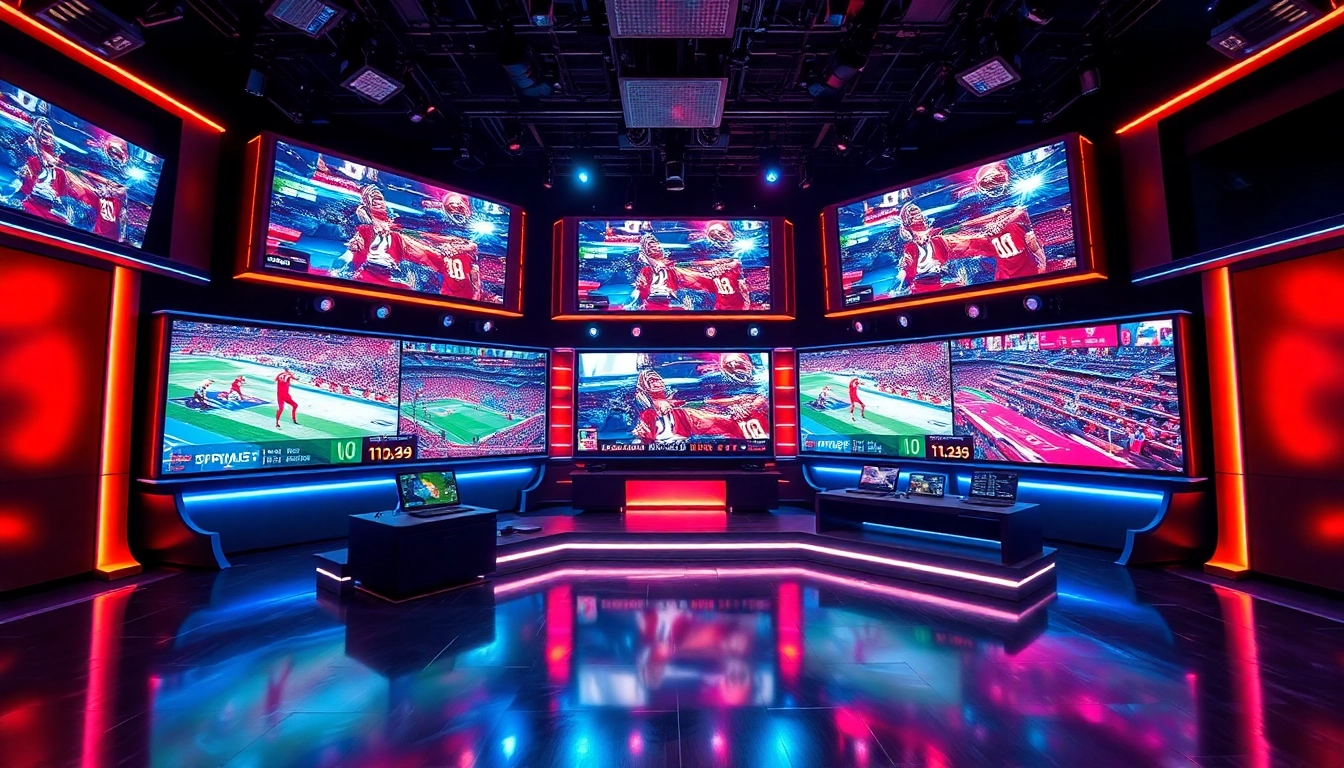
Understanding Sports Broadcasting
Definition of Sports Broadcasting
Sports Broadcasting refers to the dissemination of sports content through various channels such as television, radio, and digital platforms. This medium allows fans to experience live events, highlights, and commentary, making it accessible to a global audience. With the evolution of technology, Sports Broadcasting has transformed, providing innovative ways for fans to engage with their favorite sports.
History and Evolution of Sports Broadcasting
The history of Sports Broadcasting dates back to the early 20th century when radio broadcasts of sports events first began. The 1936 Berlin Olympics marked a significant milestone, being the first to be televised, showcasing sports to a broader, global audience. The development of cable networks in the 1980s and the rise of the internet in the late 1990s significantly shifted how audiences consume sports media. From traditional broadcasts on local television to live streaming on mobile devices, the adaptation of Sports Broadcasting has continued to evolve rapidly.
Key Components of Sports Broadcasting
Effective Sports Broadcasting consists of several crucial components:
- Live Commentary: Engaging play-by-play commentary helps create an immersive experience for viewers.
- Visuals and Camera Work: High-quality visuals and diverse camera angles enhance viewing pleasure.
- Graphics and Stats: On-screen statistics and graphics provide context, aiding fan understanding.
- Interactivity: Audience participation through social media and platforms allows fans to engage directly.
Essential Technologies in Sports Broadcasting
Broadcasting Equipment Overview
The backbone of successful Sports Broadcasting lies in advanced technology and equipment. Fundamental broadcasting tools include cameras, microphones, and production switchers. Cameras like 4K and 8K resolutions provide crystal-clear images that enhance viewer experience. Additionally, wireless microphones facilitate better audio quality, ensuring commentators and athletes can be heard clearly during broadcasts. A robust production setup is crucial to coordinate all elements seamlessly.
Emerging Technologies Impacting Sports Broadcasting
With the rise of technology, several emerging tools significantly impact Sports Broadcasting:
- Virtual and Augmented Reality: These technologies offer fans immersive experiences, from inside the dressing rooms to detailed game analyses.
- Cloud-Based Solutions: Allow remote production access, wherein teams can collaborate regardless of location.
- Artificial Intelligence: AI algorithms analyze viewer data and predict preferences, leading to tailored content delivery.
- 5G Technology: Enables faster streaming and enhanced mobile viewing experiences, overcoming latency issues.
Tools for Live Streaming and Broadcasting
Many platforms enable effective live streaming of sports events. Tools such as OBS Studio, Wirecast, and vMix are popular among broadcasters for their versatility and user-friendly interfaces. These tools allow the integration of graphics, reliable encoding, and streaming to multiple destinations. Furthermore, social media platforms have become valuable for live sports coverage, enhancing real-time engagement and interaction.
Content Creation in Sports Broadcasting
Importance of Quality Content
Quality content is fundamental to captivating an audience in Sports Broadcasting. It goes beyond merely airing games, focusing on comprehensive analysis, expert interviews, and rich storytelling. Quality content cultivates loyalty, encourages sharing, and boosts audience retention rates. Therefore, broadcasters must invest in high-caliber content that resonates with fans’ emotions and passion for sports.
Storytelling Techniques for Sports Events
Effective storytelling in sports connects emotionally with viewers. Good narratives highlight challenging journeys, prominent rivalries, and outstanding performances. Broadcasters often employ techniques such as:
- Character Development: Focusing on the athletes’ personal stories.
- Dramatic Reenactments: Using past events to build suspense.
- Visual Storytelling: Infusing quality graphics and footage to tell a story.
These techniques help deepen the connection viewers feel towards players and teams.
Engaging with Sports Fans through Content
Fan engagement is critical for maintaining an audience. Interactive content, such as polls, Q&As with athletes, and social media shout-outs, create a participatory atmosphere. Furthermore, responding to fans' comments and fostering community conversations cultivates loyalty and encourages ongoing viewership. Creating content that reflects fans' preferences, such as behind-the-scenes footage or exclusive interviews, also enhances engagement.
Regulations and Ethics in Sports Broadcasting
Key Regulations Governing Sports Broadcasting
Sport broadcasters must adhere to a variety of regulations that ensure fair competition, transparency, and respect for intellectual property rights. Regulations are primarily defined by local laws, and institutions such as the Federal Communications Commission (FCC) in the U.S., which governs airwaves, oversee adherence. Complying with these regulations safeguards content providers against infringements and legal repercussions.
Understanding Broadcast Rights
Broadcast rights dictate how sports events can be aired and shared. Typically negotiated between leagues, teams, and broadcasters, understanding these rights is crucial for any sports broadcasting organization. Various factors, such as geographic locations and time slots, can influence the pricing and availability of these rights. Failure to adhere to these rights can result in significant legal and financial consequences.
Ethical Considerations in Sports Broadcasting
Ethical considerations in Sports Broadcasting are essential to maintain trust and credibility. Broadcasters must provide accurate information, avoid sensationalism, and respect athletes’ privacy. Transparency about sponsorship and advertising is also critical. Upholding ethical standards strengthens audience trust and enhances the overall reputation of sports media organizations.
Measuring Success in Sports Broadcasting
Key Performance Indicators for Sports Broadcasting
Measuring the success of Sports Broadcasting involves several key performance indicators (KPIs) such as:
- Viewership Ratings: Understanding audience size can inform future broadcasting strategies.
- Ad Revenue: Financial returns showcase the commercial success of broadcasts.
- Social Media Engagement: Analyzing likes, shares, and comments for content effectiveness.
These KPIs help broadcasters assess their performance and refine their strategies effectively.
Analyzing Audience Engagement Metrics
Audience engagement metrics provide insights into viewer behavior and preferences. Metrics such as viewer retention rates, average watch times, and real-time social media interactions offer data on how effectively content resonates with fans. Analyzing these metrics empowers broadcasters to tailor content, improve delivery methods, and ultimately enhance the viewer experience.
Adapting Strategies Based on Feedback
Feedback from audiences is invaluable for growth in Sports Broadcasting. Regularly soliciting viewer opinions through surveys, polls, and social media can highlight strengths and weaknesses in content delivery. Adapting strategies to align with audience preferences ensures that broadcasters remain relevant and continue to meet viewers' evolving needs.
Frequently Asked Questions
What is Sports Broadcasting?
Sports Broadcasting is the live or recorded transmission of sports events via television, radio, or online platforms.
How has technology impacted Sports Broadcasting?
Technology has enhanced Sports Broadcasting through high-definition video, live streaming, and interactive features, enriching viewer experiences.
What are the essential skills for Sports Broadcasters?
Essential skills include communication, teamwork, critical thinking, and knowledge of sports and broadcasting technology, vital for effective broadcasting.
What regulations must broadcasters adhere to?
Broadcasters must comply with copyright laws, broadcast rights agreements, and regulations set by governing bodies, ensuring legal operations.
How can I measure audience engagement in Sports Broadcasting?
Audience engagement can be measured using viewership statistics, social media interactions, and audience feedback surveys, offering insights for improvement.