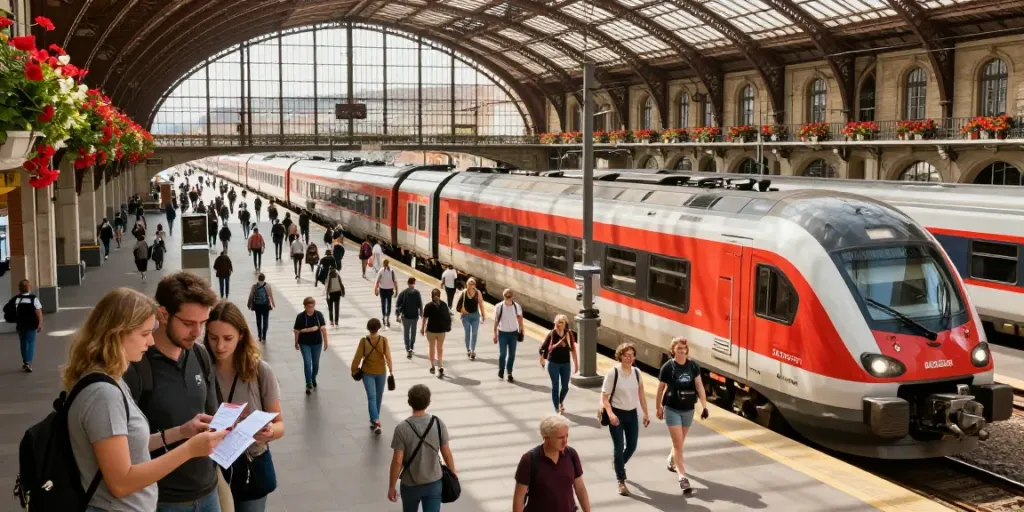
Understanding Train Ticket Pricing
Traveling by train is one of the most scenic and relaxing ways to explore new destinations. The rhythmic sound of wheels on the track, combined with breathtaking views of the landscape, makes for an unforgettable journey. However, navigating train ticket pricing can be a bit tricky, with many factors at play. From distance to seat class to booking timing, understanding how these elements impact costs is crucial for securing the best deals on your next adventure. When exploring options, compare train ticket prices to ensure you get the most value for your money.
Factors Influencing Train Ticket Prices
Train ticket prices are affected by various factors that travelers should consider while planning their trips. Key aspects include:
- Distance: The length of your journey plays a significant role in ticket costs. Generally, longer trips may cost more due to increased operational expenses.
- Time of Booking: Booking your tickets in advance often leads to significant savings. Many operators offer lower prices for early purchases, so keep this in mind when planning your itinerary.
- Train Class: The class of service you choose affects your fare. First-class accommodations usually offer more comfort and amenities, but at a higher cost compared to second-class tickets.
- Travel Demand: Prices tend to fluctuate based on demand; peak travel seasons often bring higher rates, while off-peak times may offer better deals.
- Promotions and Discounts: Keep an eye out for seasonal promotions, last-minute deals, and special discounts, especially for seniors, students, and groups.
Comparing Prices: What to Look For
When looking to compare train ticket prices, several aspects should be taken into account:
- Direct vs. Connecting Routes: Sometimes, a direct route may be more expensive compared to a route with a layover. Consider your time vs. cost ratio when evaluating options.
- Flexible Fares: Some providers offer flexible fare options that allow changes without penalties, which can be a lifesaver for travelers with uncertain schedules.
- Included Amenities: Determine what amenities are included in your ticket price. Some companies may offer free Wi-Fi, meals, or seating upgrades which can enhance your travel experience.
- Refund and Exchange Policies: Always check the ticket's terms and conditions regarding refunds or changes; this is essential for peace of mind during your journey.
Peak vs Off-Peak Travel: Timing is Everything
The timing of your travel can drastically impact ticket prices. Peak seasons, such as holidays and summer vacations, typically see increased ticket costs. Conversely, traveling during the off-peak season or on weekdays can often lead to significant savings. Consider planning your trips during less crowded times to take advantage of lower fares and a more enjoyable travel experience with fewer passengers.
Best Platforms to Compare Train Ticket Prices
With an array of options available, finding the right platform to compare train ticket prices can streamline your booking process and save you time. Here are some top platforms to consider for 2026 travel:
Top Comparison Websites for 2026 Travel
Several reputable websites enable you to compare train prices efficiently:
- Wanderu: This platform aggregates ticket prices and schedules from over 500 transport companies, making it easy to find the best deals on trains and buses alike.
- Trainline: Offering a user-friendly interface, Trainline allows you to compare fares from over 270 train operators, providing transparency with no hidden fees.
- Omio: Omio is perfect for international travel, helping you navigate train routes across Europe while comparing ticket costs effectively.
Mobile Apps That Simplify Your Booking
In today's mobile-centric world, having a reliable app can enhance your travel planning experience:
- Rail Planner: This app is specifically designed for Eurail and Interrail travelers, enabling easy access to schedules and ticket comparisons.
- Trainline App: The app version of Trainline provides all the benefits of the website, including real-time updates and mobile ticket access.
How to Use Customer Reviews Effectively
Tap into customer reviews to gain insights about different operators and their services. Look for comments regarding punctuality, cleanliness, customer service, and overall travel experience. Platforms like Trustpilot or TripAdvisor can offer valuable perspectives that help inform your choices and enhance your journey.
Tips for Booking Train Tickets
Securing the best train ticket prices is an art that combines strategy with a savvy approach. Here are some essential tips to optimize your bookings:
When to Book: Tips for Lower Prices
Timing is key when booking train tickets. Aim to book at least 3-6 weeks in advance for the best deals, especially for long-distance or popular routes. Consider signing up for fare alerts from your chosen platform to stay informed about price drops.
Along Your Route: Finding Hidden Gems
Train travel isn’t just about getting from point A to point B; it’s a fantastic opportunity to explore hidden gems along your route. Plan short excursions to quaint villages or scenic viewpoints that are easily accessible from your train's stops. These stops may enhance your travel experience and provide a richer understanding of the region.
Avoiding Common Booking Mistakes
To maximize value and avoid potential pitfalls, steer clear of these common mistakes:
- Failing to double-check travel dates and times.
- Not factoring in additional fees, such as baggage or booking modifications.
- Overlooking terms and conditions related to ticket changes and cancellations.
Understanding Train Classes and Amenities
Deciding on a class of service can enhance or detract from your travel experience. Knowing what options are available can help you make informed choices:
Differentiating Between First and Second Class
First class often provides more spacious seating, greater privacy, and additional amenities compared to second class. Depending on the operator, first-class lounges at the station may also be a perk. However, for budget travelers, second class can still offer a comfortable ride without breaking the bank.
Comfort on the Move: Which Class is Best for You?
Assessing your travel style is essential. If you're on a long journey, opting for first class can pay off with extra comfort, while shorter rides might not necessitate a premium ticket. Consider your trip duration and personal preferences when making your choice.
Dining Options: What’s on the Menu?
Culinary experiences can vary widely, from on-board dining cars with full meals to snack carts and vending machines. Familiarize yourself with the dining options available on your train to ensure your travel experience is both comfortable and satisfying.
Traveling Europe by Train: Practical Tips
Europe’s extensive rail network makes it an ideal location for train travel. Here are practical tips for navigating the continent’s trains:
Must-Visit Destinations Accessible by Train
Train travel opens up a myriad of fantastic destinations. Iconic cities like Paris, Amsterdam, and Prague are all accessible by rail, each offering unique cultural experiences. Don’t forget to explore stunning landscapes, such as the Swiss Alps or the Italian countryside, which are best appreciated from a train window.
Local Customs and Etiquette on Trains
Familiarize yourself with the local customs while traveling by train in different countries. For example, some cultures may expect passengers to remain quiet, while others are more relaxed about conversation. Observing local etiquette enhances your experience and promotes respectful interactions.
Maintaining Safety and Security on Your Journey
Travel safety is paramount, so be sure to keep your belongings secure and follow general travel precautions. Store luggage in designated areas, keep personal items close, and be aware of your surroundings. Understanding the local emergency procedures can provide additional peace of mind.